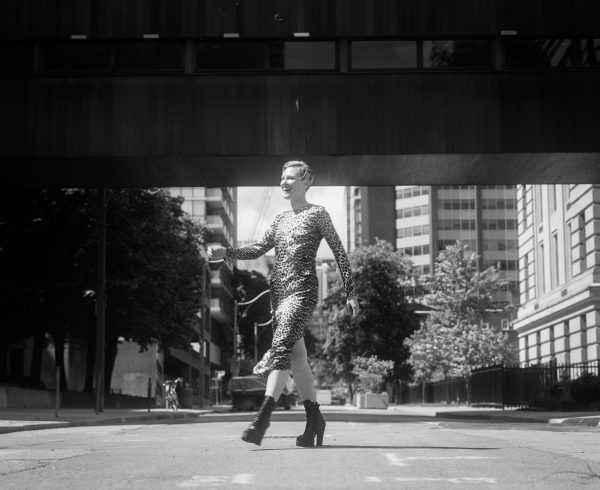
The photographer documenting Black culture, legacy, and triumph through film.

July 20, 2026

I was lost in Threads when a series of vivid portraits stopped me mid-scroll. The handle was Quality Lenz, and the image in front of me felt unlike anything else in my feed. I had the sense that I knew the person captured within the frame, yet I was left wanting to know more about the story behind the image.
I caught up with him to talk about his journey from digital photography to film, the influence of Renaissance paintings on his work, and his mission to preserve and celebrate Black culture through storytelling.
I got my first film camera in 2022. Basically, I was shooting digital, but I started losing the drive. It was just a rinse-and-repeat kind of situation. You take the pictures, see it, and delete it if it's not good. It wasn't really a rush. Doing creative shoots wasn’t boosting me up like I wanted.
I studied film photography. I knew it was a limited thing. You can't just shoot as much as you want and then go and, you know, edit and all that good jazz.
Everything has to be precise. And being on the edge like that is what led me to love film photography. It's always a rush and you have to be interested in detail.
Yep. I'm always nervous. People say, "I hope the pictures came out good," and I'm like, "Me too."
I started playing video games really early. At first I wanted to create video games, but then I realized how hard it was. What always pulled me in was the aesthetic side of things. I was always looking at the concept art, the sketches, the landscapes.
From there I started sketching and experimenting with different kinds of art. I customized shoes, got into spray painting and airbrushing, then tried digital art.
By the time I got to college I saw a picture and thought, 'Oh, I think I should do that.' I texted my auntie and said, 'Hey, Auntie, can you get me this camera as a late Christmas gift?' She told me, 'If I get it for you, you better use it.'
On my very first shoot I only charged twenty dollars because I didn't know I was supposed to charge people. I just needed enough gas money to get back home.
I was nervous but everything just flowed. The rest is pretty much history.
I want to continue passing knowledge to the next generation. I want to leave something behind when I move on from this world.
I want my work to inspire people but also know how the times were. If it was before them, during them, or after them, that's really important to me. Which is why I'm so heavy on capturing Black culture just as a whole.
Whether it's telling a story or documenting somebody that either has a business or a family. To show the younger generation that what you're going through, or what you're about to go through, we've been there before, you know what I'm saying? And it's possible to prevail.

A lot of it comes from my own experiences, but also experiences I've heard from my friends and my family.
When I do my passion projects, it's either a memory, research, something I heard through the grapevine, or just my culture itself.
Yes. It's helped me realize who is in my circle and the access I want to allow people around me to have. But also being in the moment, whether it's at an event or in a more intimate setting with one or a few people.
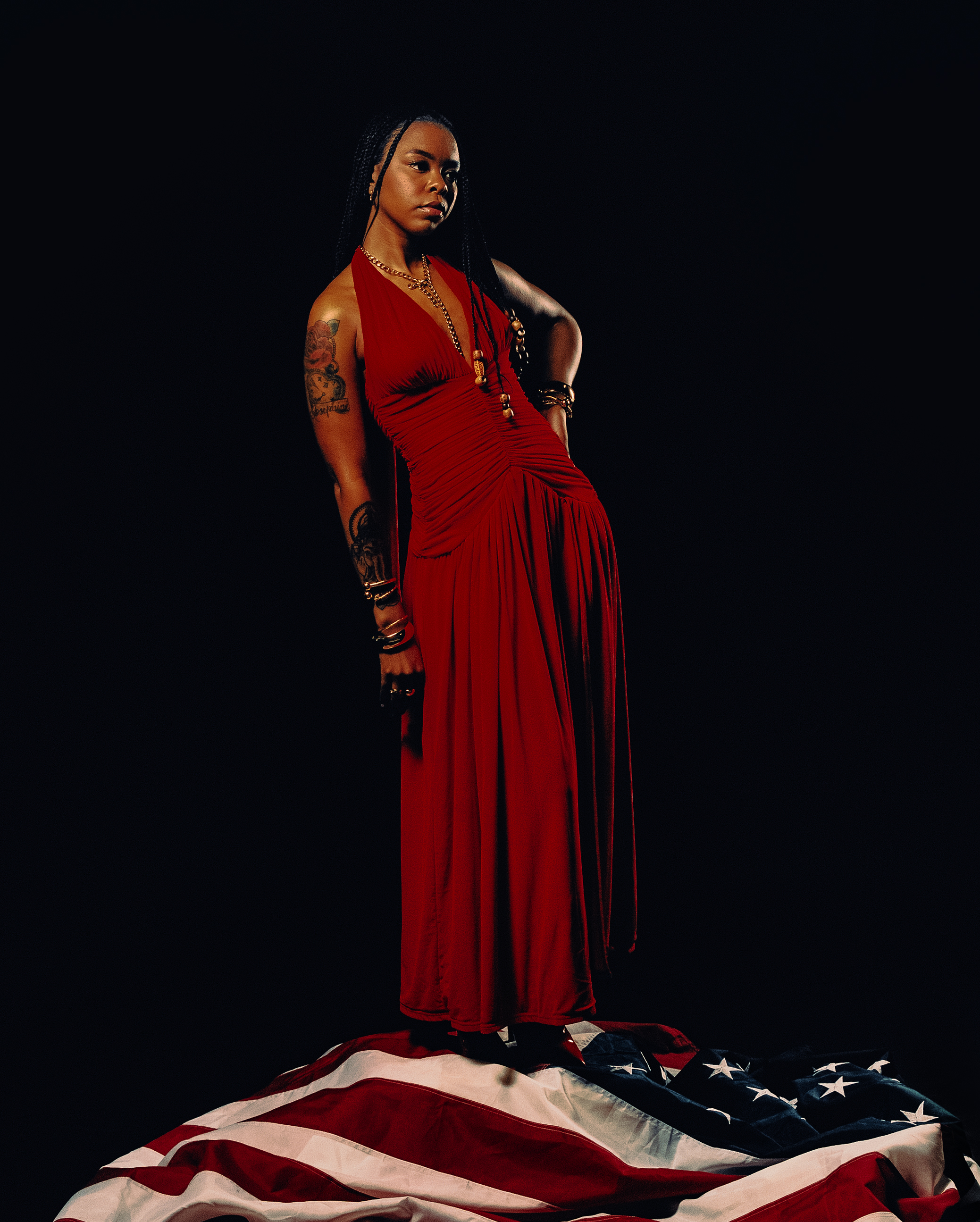
What drew me to them initially was the likeness to the art being photo-like. From portraits to landscapes, Renaissance artists were able to paint a photo that they took in their head and uncover or change the variations of lighting, textures, and compositions in real time.

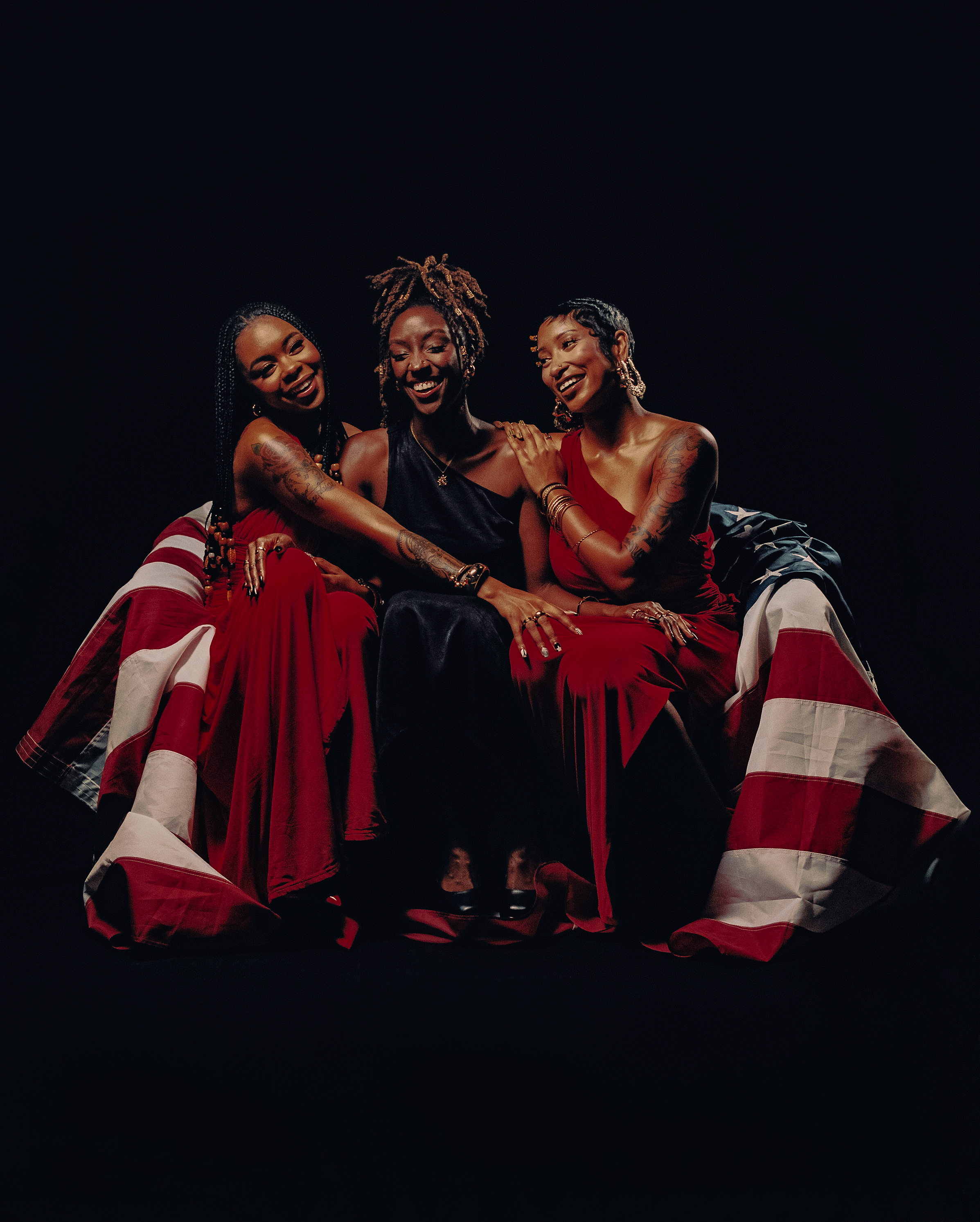
Honestly I want it to hit all of those, but if I had to put it into one category, I'd say culturally artistic because I'm specifically capturing Black culture and everything that's tied to it. That's documentation. That's activism. But it may also be something as simple as love or culinary. There's struggle. Then there's making it out of the struggle.
I want people to be able to say, "We've been here before."
And hopefully they leave with, "It'll be okay," or "It's fun. Enjoy it while it lasts."
I'm speaking to the kids that aren't really that good at sports or video games and may want to stick within the art culture. A lot of people will tell you that art won't make you that much money. That art may be pointless, but I'm a living testimony of what art can do and how far art can reach.
To see the art of triumph within our culture and the beauty in places we were oppressed or labeled differently than seen.
I've learned from the shooting film that you can't really rush through everything. You also can't think too far ahead. The furthest ahead I think is the image I'm about to take.
I have a lot of aspirations and I know I've got to work hard enough to get there, but I try not to focus too much on the future so I can really protect myself now.
When those opportunities come to me there'll be no pressure. I'm only going to be nervous but I'm going to be well equipped to hit the mark and get the job done.
I want to be studied when I pass on.
I want to be able to produce art that'll last longer than me.
It's okay. Just because the criticism is harsh doesn't mean they're trying to bring you down. They see more potential in you than you see in yourself.
Also it's okay to create with no goal in mind or concept. Just execute the best way you can!
I've got a few personal projects written down that don't even have titles yet and some new work I still need to post.
So yeah, you'll definitely be seeing more soon.
Connect with Quality Lenz @qualitylenz
www.qualitylenz.com


.png)
.jpg)
%20(1)%20(1).png)
.jpg)